
The Boy Who Promised Piekielny
Promise at DawnThis thread traces how a neighbor’s modest request becomes a lifelong memorial carried into the narrator’s encounters with powerful people.
increasing Bearing strength in each event
 decreasing
Bearing strength in each eventdecreasingA Neighbor Takes Notice
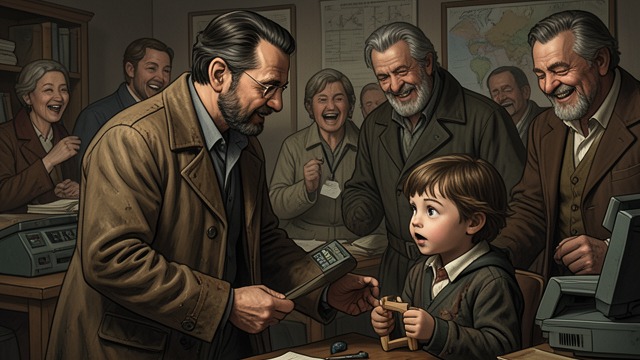
A Neighbor Takes Notice
An unlikely believer
Mr. Piekielny takes the mother’s predictions seriously when other tenants laugh at them. His quiet respect gives the boy an unexpected witness to the imagined future.
A small kindness
He offers toys and treats, treating the child as someone who may one day matter. His hope is gentle rather than grand.
The Request
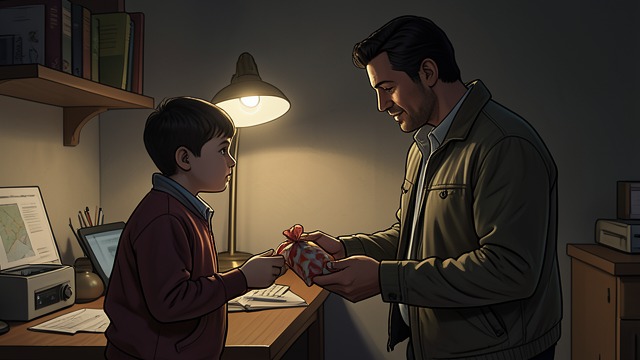
The Request
A name entrusted
Mr. Piekielny asks the boy to remember him when he meets the great and famous. He wants the existence of an ordinary neighbor to survive beyond his small life.
A child’s promise
The boy agrees, accepting a responsibility whose historical weight he cannot yet foresee. The request joins private friendship to public memory.
The Queen Hears His Name
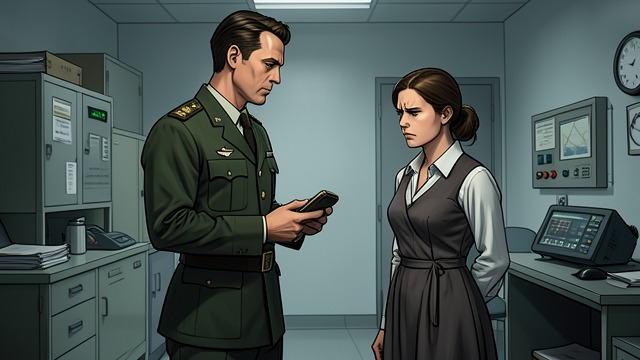
The Queen Hears His Name
A promise interrupted
During an inspection, a question about his origins prompts the narrator to remember his promise. He names the man who lived at Number 16, Grand Pohulanka.
Memory outranks protocol
The moment risks seeming absurd in a formal military setting, but the narrator values fidelity to the small man over appearances.
A Repeated Testimony

A Repeated Testimony
Speaking to the powerful
He continues naming Mr. Piekielny before officials and public audiences. Each repetition fulfills the promise in settings where the neighbor would never have been expected to belong.
A memorial against erasure
The act gives a modest life a place in public memory. It cannot undo what happened to the man, but it refuses to let his name vanish silently.
The Promise’s Dark Fulfillment
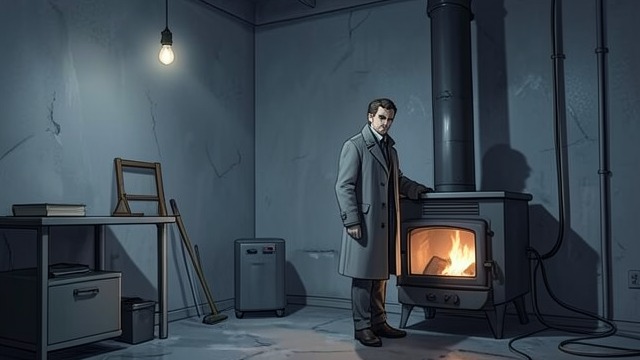
The Promise’s Dark Fulfillment
A neighbor destroyed
The narrator learns that Mr. Piekielny died in a Nazi crematorium with millions of European Jews. The promise is now bound to the history that erased him.
Speech as limited repair
Remembering cannot reverse the murder. The narrator nevertheless continues to speak the name, making testimony a form of loyalty.
Childhood in Vilna
After the staircase scene
During the war in England
After the war
At the narrator’s later reflection
